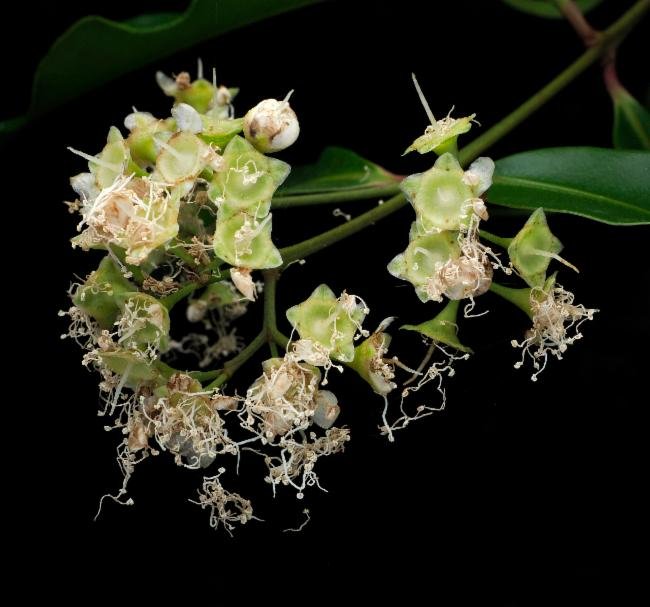
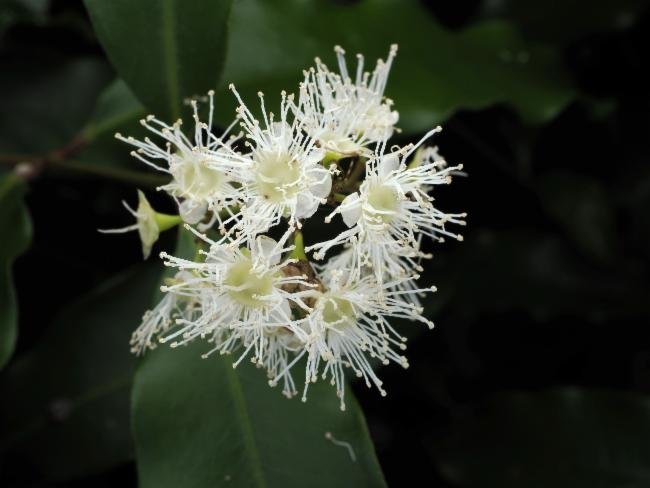
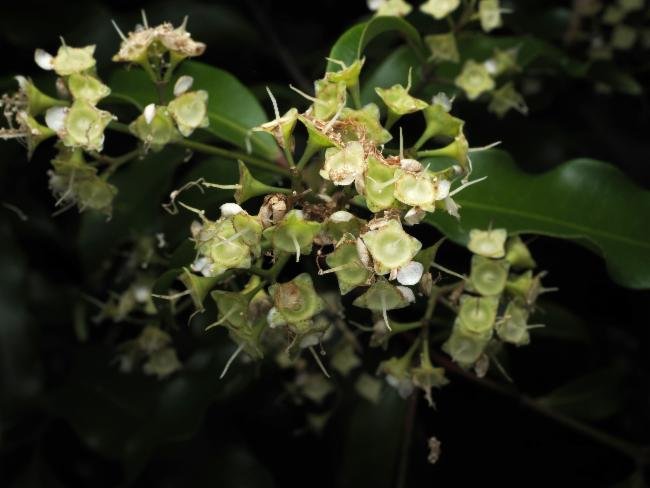
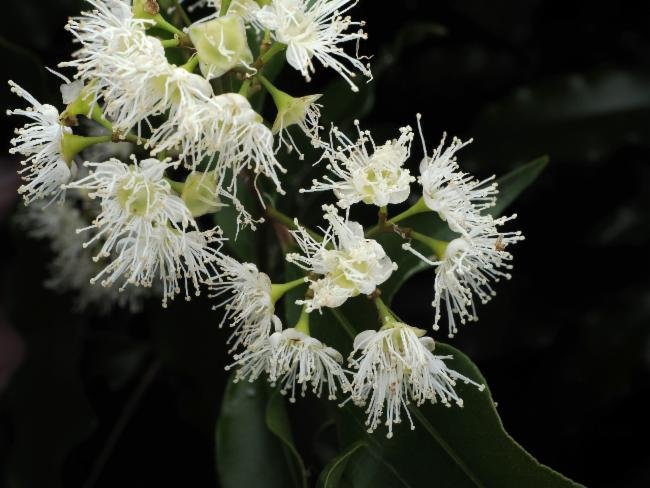
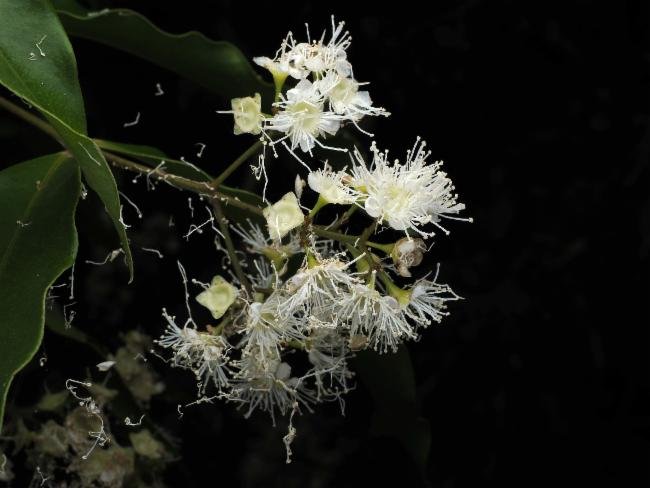
Aniseed Myrtle
Syzygium anisatum
| Scientific Name | Syzygium anisatum |
| Safety Rating | N/A |
| Evidence Level | N/A |
Aniseed Myrtle (Syzygium anisatum) is an Australian evergreen tree whose leaves, fruit and bark are used in herbal preparations. It is employed mainly for its soothing effects on the airways, digestive tract and inflammatory conditions, and for its antioxidant and antimicrobial properties. Use in moderation, as the plant can produce mild laxative or stomach‑irritating effects, and people who are pregnant, breastfeeding or taking prescription medications should consult a healthcare professional.
Source: Trease & Evans Pharmacognosy 16th ed, PMC: Terminalia Chebula, https://en.wikipedia.org/wiki/Yellow_Dock
5 products from NIH DSLD database (verified label data)
| Product | Price |
|---|---|
| Myrtle | - |
| Myrtle | $20.30 |
| Myrtle Alcohol Free | - |
| Myrtle Alcohol Free | - |
| Myrtle Non-Alcohol | $20.42 |
| Herb | Scientific Name | Why related |
|---|---|---|
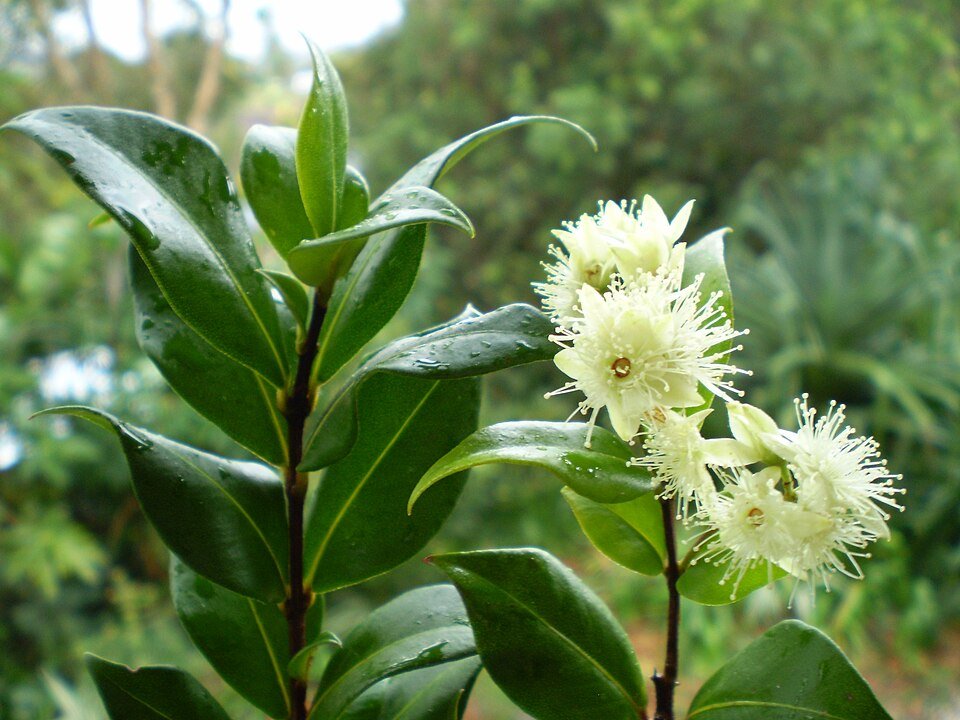 Cinnamon Myrtle |
Backhousia myrtifolia | shares 5 product(s) |
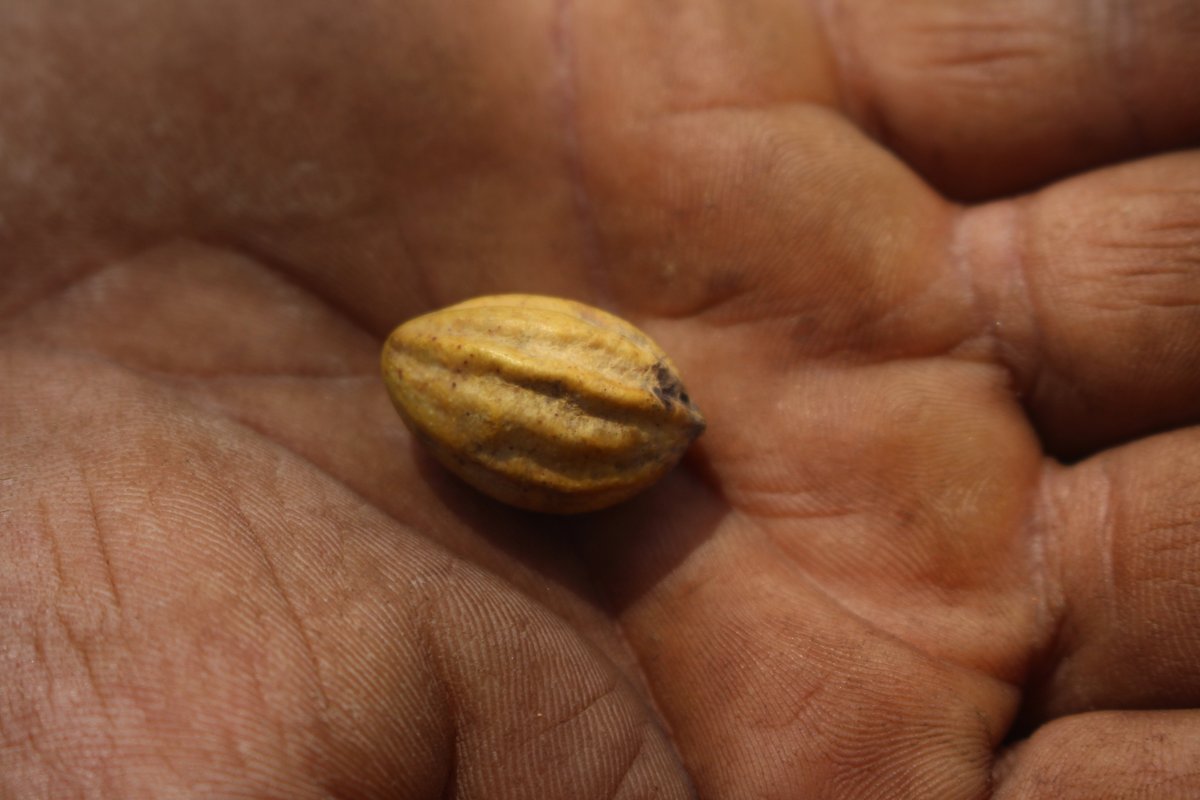 Chebulic Myrobalan |
Terminalia chebula | similar summary terms |
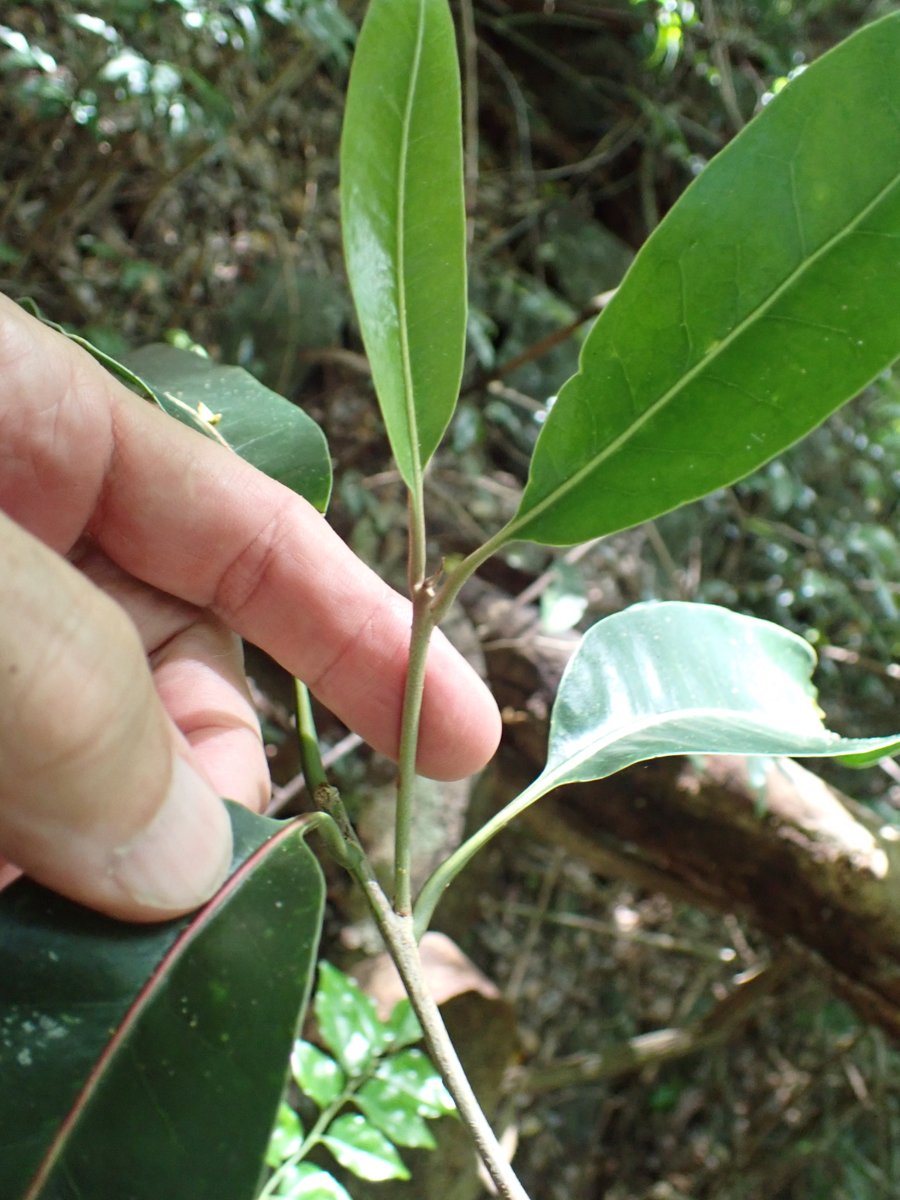 Jambolan |
Syzygium cumini | similar summary terms |
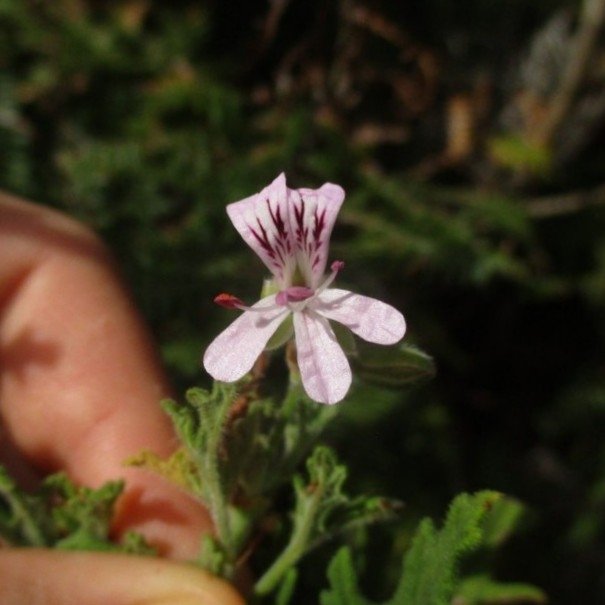 Geranium |
Pelargonium graveolens | similar summary terms |
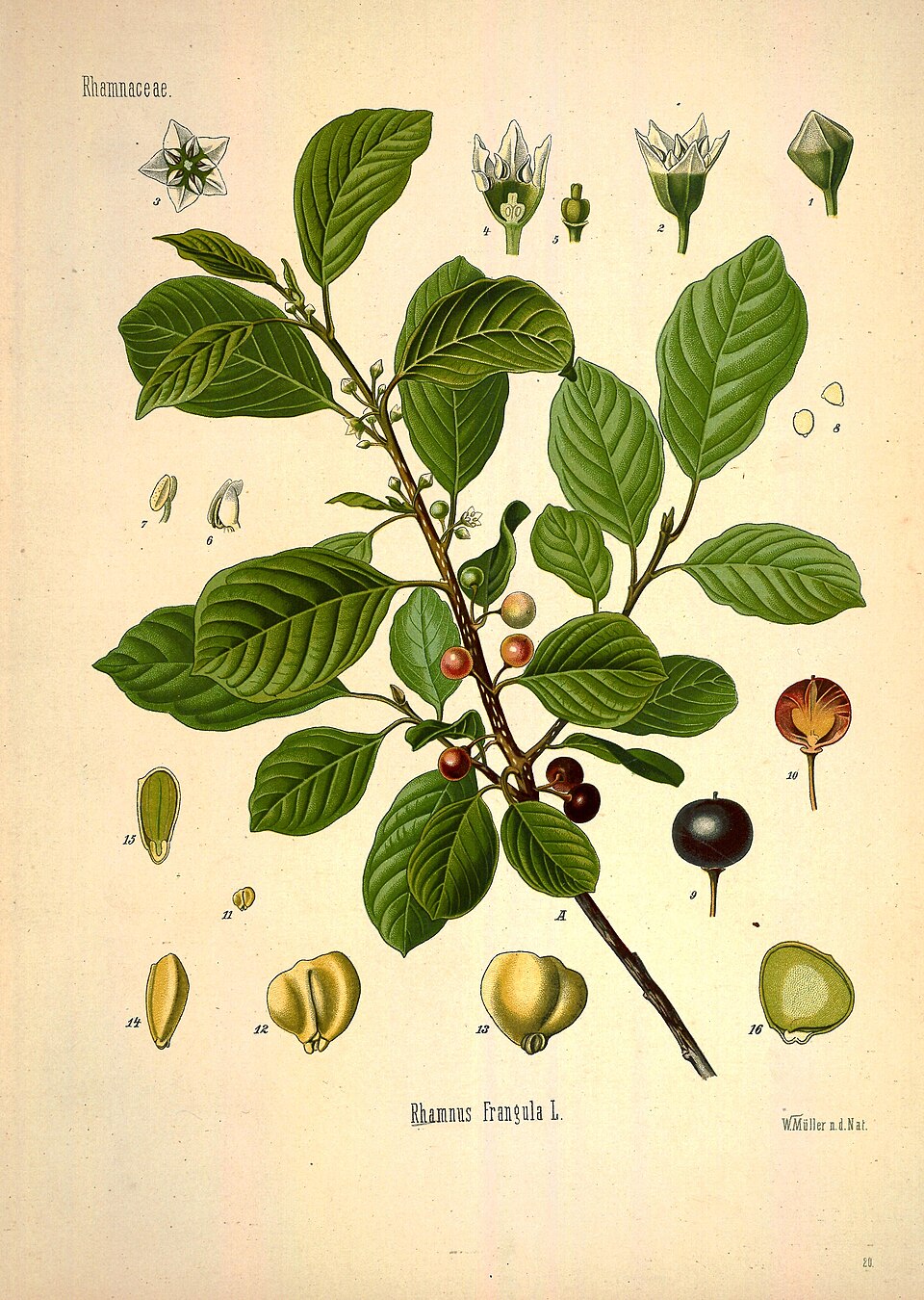 Alder Buckthorn |
Frangula alnus | similar summary terms |
 Eryngium Aquaticum |
Eryngium aquaticum | similar summary terms |
Ask the RAG about Aniseed Myrtle — get evidence-based answers from WHO monographs and pharmacognosy textbooks.
Or browse the product search to find more products.